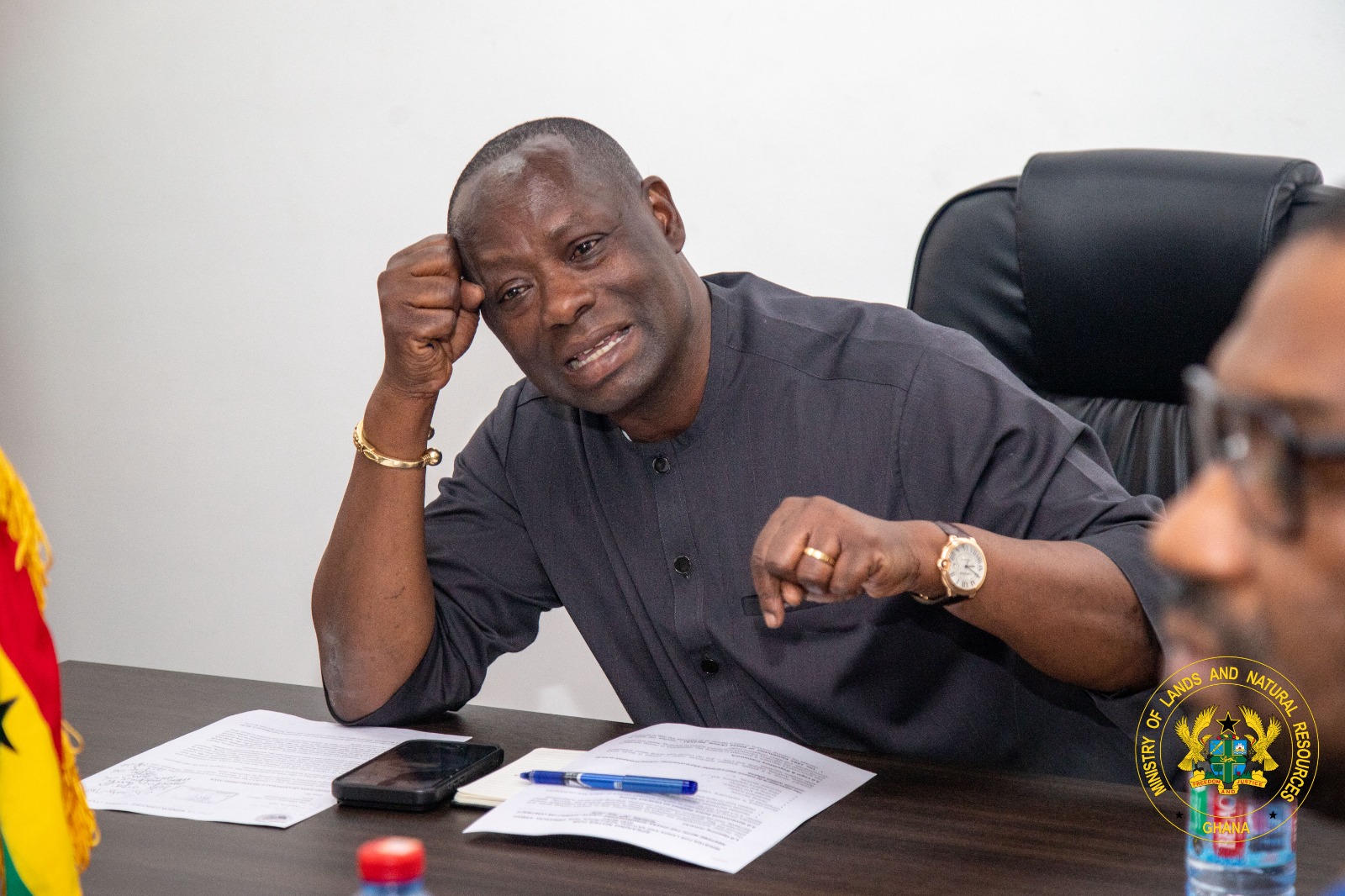
Accra, Ghana – May 26, 2026 — The Ministry of Lands and Natural Resources has agreed to temporarily suspend a controversial government directive requiring major mining companies to transition from owner mining to contract mining, following productive consultations with the Ghana Mineworkers’ Union (GMWU).
The directive, issued by the Minerals Commission, had instructed Newmont, Zijin Mining, and AngloGold Ashanti to shift key operations — including blasting, loading, hauling, and dumping — to local contractors by December 2026. The move formed part of broader efforts to enforce local content policies and increase Ghanaian participation in the country’s lucrative mining sector, Africa’s largest gold producer.
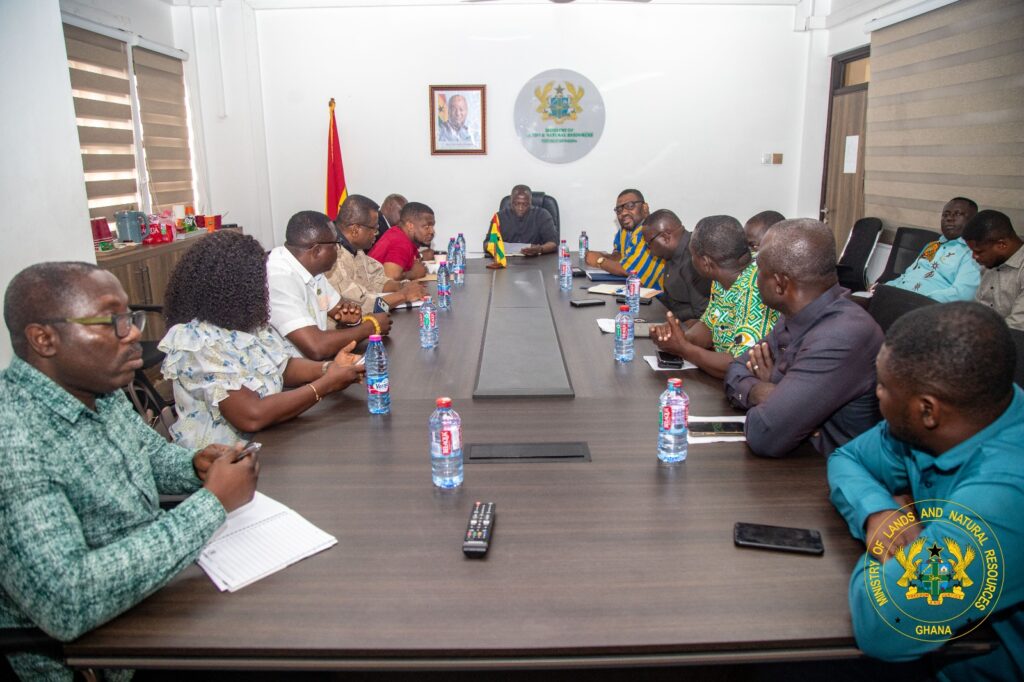
In a high-level meeting held in response to the Union’s strong opposition, government officials and GMWU representatives addressed worker concerns over potential job losses, reduced wages, weakened benefits, and diminished working conditions under local contract arrangements. Union leaders had argued that multinational operators generally provide superior remuneration, better respect for labour rights, and stronger compliance with safety and legal standards compared to many local contractors.

As an outcome of the meeting, the government has temporarily suspended the December 2026 deadline, agreed to commission a committee to review the current local content policy — with specific incorporation of the genuine concerns raised by the Ghana Mineworkers’ Union and its members — and committed to continued collaboration to enhance the overall fortunes of Ghana’s mining industry.
The GMWU, which represents thousands of mineworkers across the country, welcomed the suspension and review process as a step toward balanced policy-making that protects livelihoods while advancing local empowerment.
Background
The policy stems from the Minerals and Mining (Local Content and Local Participation) Regulations, which aim to reserve surface mining for fully Ghanaian-owned firms and require at least 50% local ownership for underground operations. While many larger operators had already partially shifted to contract models, Newmont, AngloGold Ashanti, and Zijin remained among those still conducting significant owner mining.
Critics of rapid transition, including the Union, warned of risks to industrial harmony, safety standards, and investor confidence if local capacity is not adequately strengthened first.
Way Forward
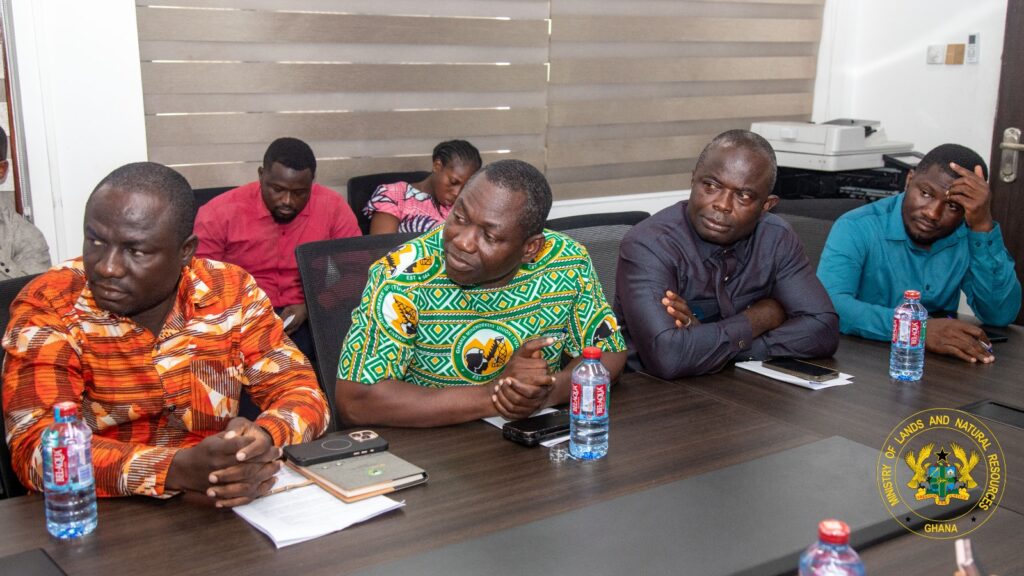
Stakeholders now expect the review committee to examine ways of strengthening local contractors — through capacity building, financing, technical training, and stricter labour standards — while safeguarding the conditions of service that have made Ghana’s mining sector attractive to skilled workers.
The Ghana Mineworkers’ Union has indicated it will continue to monitor developments closely and participate actively in the review process to ensure workers’ voices are adequately represented.
This development brings a pause to what had threatened to become a major flashpoint in Ghana’s mining sector, offering a window for more inclusive policy refinement.
